What If Getting Fit Felt More Like a Game?

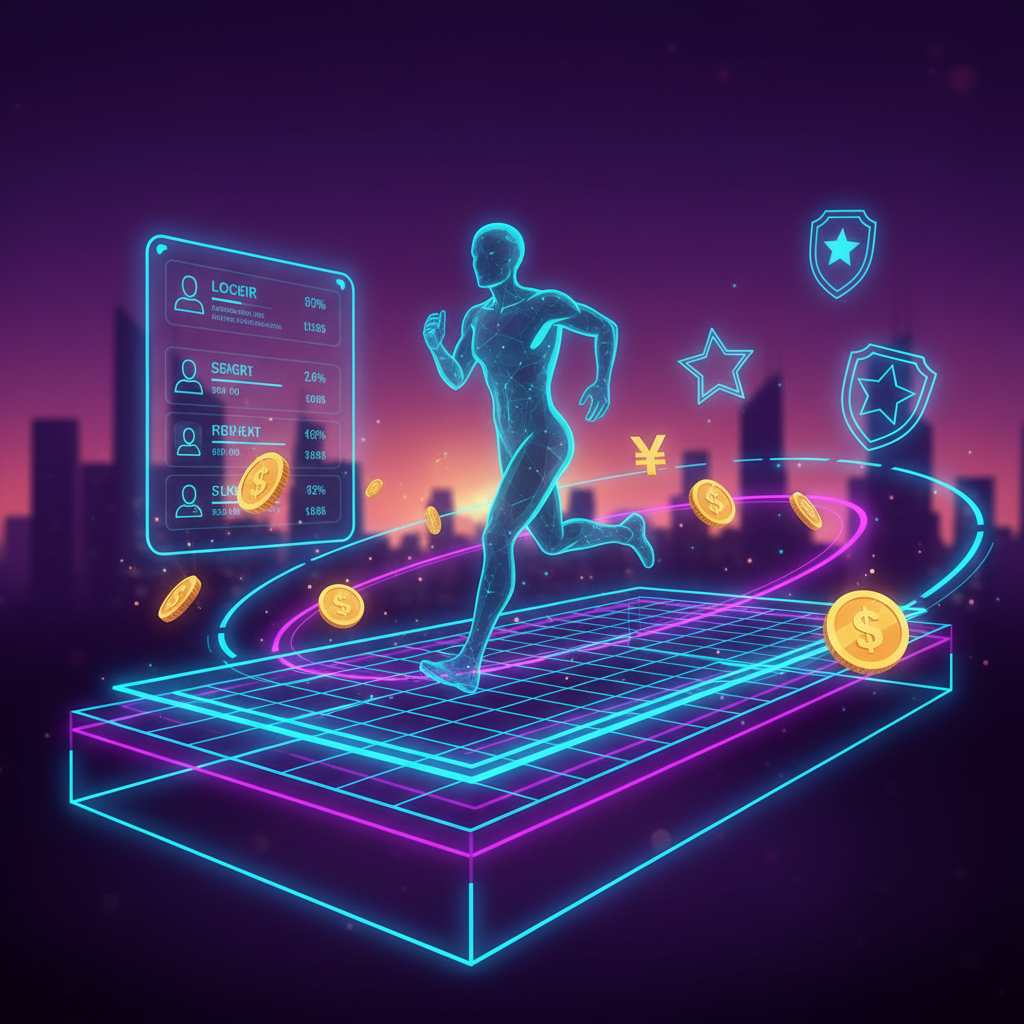
For many people, fitness feels like a chore. It is something they know they should do, but not something they look forward to. Games work differently. Games give you clear goals, fast feedback, visible progress, levels, streaks, competition, and rewards. They make effort feel meaningful.
So what if getting fit felt more like a game?
That question is changing how people think about exercise. Gamified fitness does not remove effort. It makes effort more engaging.
Games make goals clear
One reason workouts feel overwhelming is that the target can be vague. “Get in shape” is too broad. A game gives you a mission. Complete this challenge. Hit this streak. Move up the leaderboard. Earn this reward. That clarity helps people act.
Fitness challenges create the same effect. Instead of wondering what to do, you have a clear next step. Workout 4 Cash uses that structure to make movement feel purposeful.
Progress needs to be visible
In a game, you can see your score improve. In fitness, progress is often delayed. The scale may not move right away. Strength may build slowly. Confidence may take weeks to notice. Without feedback, people lose interest.
Progress tracking solves part of that problem. Steps, workouts, streaks, completed days, and reward progress all show that effort is adding up. A fitness rewards app gives your brain something to recognize before the bigger physical results arrive.
Rewards make repetition easier
Games reward small actions. That is why people keep playing. A badge, level, streak, or bonus gives the brain a little signal that says, “Keep going.” Fitness can use the same psychology.
Rewards do not replace discipline, but they can support it. When a workout leads to progress you can see, the habit feels less like a sacrifice and more like a win.
Competition adds energy
Not everyone is competitive, but many people push harder when they are part of a challenge. A leaderboard race can turn a regular walk into something more exciting. You may go a little farther because someone is close behind. You may complete a workout because your group is active.
Healthy competition adds urgency without needing perfection. It gives people a reason to show up today instead of waiting for motivation.
Streaks protect consistency
Streaks are powerful because they turn repeated action into something you want to protect. Once you have several days or weeks of progress, skipping feels different. You are not just missing one workout. You are breaking a pattern you worked to build.
This is why gamified systems can be useful for habit building apps and workout routines. They make consistency visible enough to care about.
Achievement creates identity
When you complete challenges, earn rewards, and stack small wins, you start seeing yourself differently. You are no longer someone trying to work out. You are someone who participates, competes, completes, and improves.
That identity shift matters. People repeat actions that match how they see themselves.
Fitness still requires effort
Gamification is not magic. You still have to walk, move, lift, stretch, sweat, and show up. But the experience can feel less lonely and less boring when it has game-like structure.
The goal is not to trick yourself forever. The goal is to build enough momentum that movement becomes part of your lifestyle.
A better way to stay engaged
If traditional workout plans have felt stale, try making fitness more interactive. Join challenges. Track progress. Use rewards. Invite a friend. Treat the week like a mission.
Getting fit does not have to feel like punishment. When fitness feels more like a game, consistency becomes easier to repeat, and the person who keeps playing is the person most likely to win.
How to Put This Into Practice
What If Getting Fit Felt More Like a Game? works best when it becomes practical instead of theoretical. The goal is not to chase a perfect routine; the goal is to create a small action that can survive busy days, low energy, and normal interruptions. That is where long-term progress usually begins.
Why This Matters for Long-Term Progress
With Workout 4 Cash, users can connect getting felt more like to tracking, rewards, and friendly competition. That combination gives a small action more weight. It helps users return to the routine, notice progress, and keep going even when the original excitement has faded.
The most important takeaway is to make the next action obvious. Choose one manageable target, complete it today, and repeat it tomorrow. Over time, those simple repetitions can become the foundation for stronger health, better confidence, and a more sustainable relationship with exercise.