Common Squat Mistakes That Hurt Your Knees

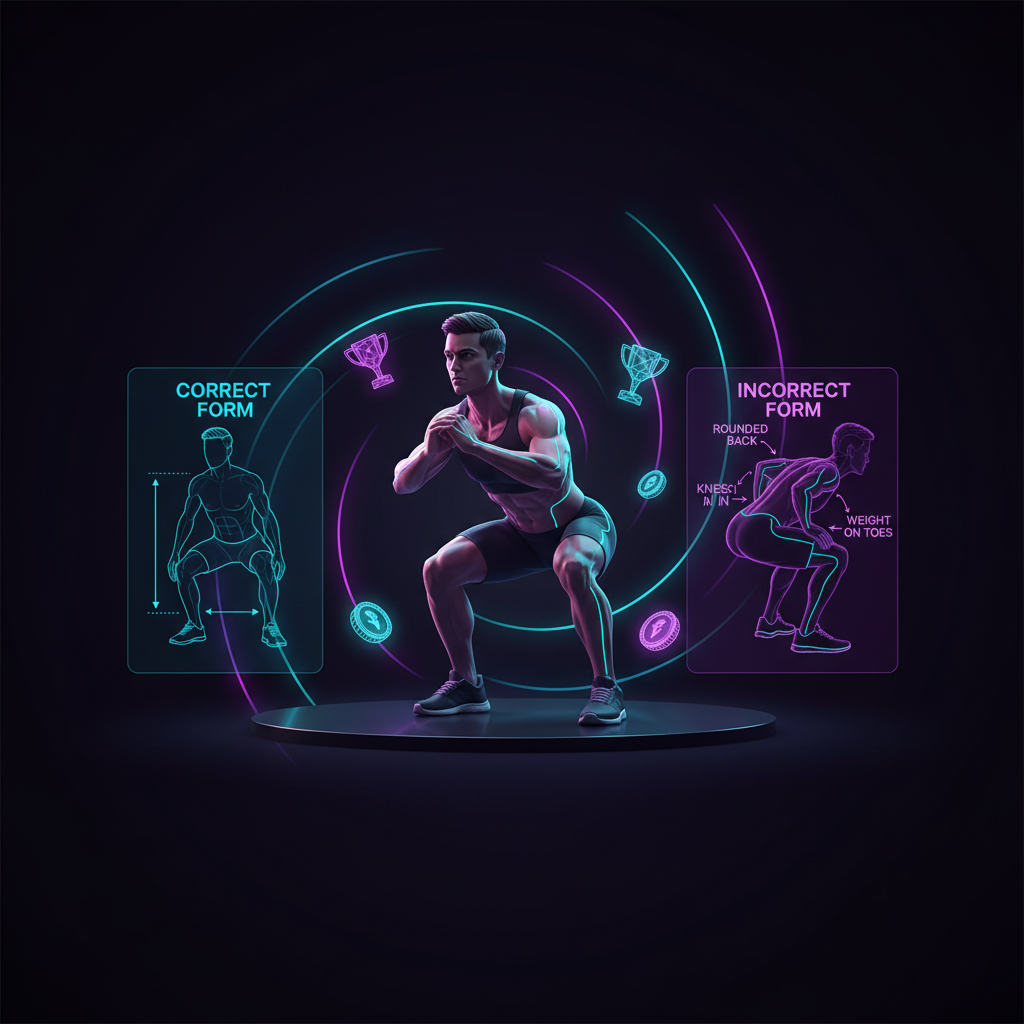
Common Squat Mistakes That Hurt Your Knees
Squats are a fundamental exercise in any fitness routine, offering numerous benefits like increased strength, improved flexibility, and enhanced athletic performance. However, failing to perform squats correctly can lead to knee pain and injuries, especially for beginners. In this article, we will explore common squat mistakes that can hurt your knees and offer tips on improving your form to prevent injury.
Understanding the Importance of Proper Form
Before diving into common mistakes, it is crucial to understand why proper form is so essential during squats. Correct form not only maximizes the effectiveness of the exercise but also minimizes the risk of injury. Consistently practicing proper form can help you get the most out of your workouts.
1. Letting Your Knees Cave In
One of the most common mistakes is allowing the knees to collapse inward during the squat. This misalignment can place excessive stress on the knee joint, leading to discomfort and potential injury.
• How to Correct: Focus on pushing your knees outward as you squat. Visualize your knees tracking over your toes, maintaining alignment throughout the movement.
2. Not Squatting Deep Enough
Many beginners only perform shallow squats, which can result in ineffective workouts and increased strain on the knees. A shallow squat limits the engagement of the lower body muscles.
• How to Correct: Aim to squat at least until your thighs are parallel to the ground. As you become more comfortable, you can progress to deeper squats while ensuring your form stays intact.
3. Leaning Too Far Forward
Leaning excessively forward during squats can shift the stress from your legs to your knees and back, causing discomfort. This often happens due to tight hip flexors or weak glutes.
• How to Correct: Engage your core and push your hips back as you lower into the squat. Maintaining an upright torso will help distribute the weight properly and protect your knees.
4. Failing to Engage Your Core
Your core plays a crucial role in supporting your torso during squats. Neglecting to activate your core can lead to poor form and instability, increasing the risk of knee injury.
• How to Correct: Before descending into your squat, engage your abdominal muscles and maintain that tension throughout the movement. Think of bracing your core as if you are preparing for a gentle punch.
5. Using Incorrect Foot Placement
The position of your feet can greatly affect your squat performance. Placing your feet too close or too far apart can lead to imbalances and discomfort in the knees.
• How to Correct: Typically, your feet should be about shoulder-width apart, with your toes slightly pointed out. Experiment with your stance to find what feels most comfortable and effective for you.
Tips for Successful Squats
Beyond correcting common mistakes, implementing various tips can help enhance your squat practice:
• Warm-up: Always include a warm-up focusing on the hips, knees, and lower back to prepare your muscles.
• Use a Mirror: If possible, practice squats in front of a mirror to self-correct your form.
• Start with Bodyweight: Before adding weights, master your form with bodyweight squats to build a solid foundation.
• Strengthen Supporting Muscles: Incorporate exercises like lunges and leg raises to strengthen the muscles surrounding your knees.
• Consider a Fitness App: Using a fitness rewards app like Workout 4 Cash can provide you motivation and structure for your workouts.
Utilizing Technology for Better Workouts
In today's digital age, technology can significantly enhance your workout experience. Using a fitness rewards app like Workout 4 Cash can incentivize you to stay consistent with your exercise routine. The app rewards you for your physical activities, which can keep you motivated to perfect your squats while reducing the risk of injury.
Additionally, you can use features in the app, such as tracking your progress or setting workout reminders. For more details on how the app works, visit our how it works page.
Making a Habit of Correct Squatting
Building a habit of proper squatting is essential for safeguarding your knees and enhancing your fitness journey. For tips on building a workout habit, check out our helpful guide on how to build a workout habit.
Staying Consistent with Exercise
Consistency is key in any fitness regimen. For insights on maintaining consistency in your workouts, explore our article on how to stay consistent with exercise.
Conclusion
Squats are a powerful exercise, but they can lead to knee pain if not performed correctly. By being aware of common squat mistakes and following the tips outlined in this article, you can protect your knees and get the most out of your workouts. Remember that practice makes perfect, and using a rewards system-such as Workout 4 Cash-can help keep you motivated on your fitness journey. For additional motivation and weight loss strategies, refer to our weight loss motivation tips.
How to Use This Advice in Real Life
The best squat routine is the one you can repeat with good form. If you are new, start with a number that feels almost too easy, then build from there. A simple target is two or three short sessions per week, with rest days when your legs feel heavy or your form starts to slip.
Think of squats as part of a bigger fitness habit, not a single magic move. Walking, core training, mobility, sleep, and nutrition all influence your results. If your goal is weight loss, pair your squat plan with daily movement and a realistic eating routine. If your goal is strength, focus on controlled reps, progressive overload, and recovery.
A Simple Weekly Squat Plan
• Day 1: Practice slow bodyweight squats and stop before form breaks.
• Day 2: Walk, stretch, or do light mobility work.
• Day 3: Add one extra set or a slightly harder variation.
• Day 4: Rest or choose an easy activity that keeps you moving.
• Day 5: Repeat your best squat session of the week with clean form.
You can also use Workout 4 Cash challenges to stay consistent and make the habit feel more rewarding. The goal is not to punish yourself with endless reps. The goal is to show up, improve gradually, and make exercise easier to repeat.
Final Takeaway
Common Squat Mistakes That Hurt Your Knees is a useful question because it shows you are thinking about a clear action step. Use the answer as a starting point, then adjust based on your body, your schedule, and your goals. Squats work best when they are done with patience, control, and consistency.
How to Make Squats Part of a Real Fitness Routine
Squats are most effective when they are treated as one part of a complete routine instead of a quick shortcut. They can build lower body strength, improve coordination, support daily movement, and make workouts feel more productive, but results still depend on consistency, recovery, nutrition, and total activity. A beginner does not need hundreds of reps to make progress. A realistic plan with clean form is usually better than a huge number of rushed repetitions.
If you are starting from scratch, choose a simple target you can repeat three or four times per week. For example, you might begin with two sets of eight to twelve bodyweight squats, then slowly add reps as your form improves. If your knees cave inward, your heels lift, or your lower back rounds, lower the number and focus on control. Quality matters more than volume because better form lets you train longer without unnecessary discomfort.
A Beginner Friendly Squat Progression
• Week 1: Practice bodyweight squats with a comfortable range of motion and steady breathing.
• Week 2: Add one extra set or a few more reps if your form still feels strong.
• Week 3: Try tempo squats by lowering slowly for three seconds before standing up.
• Week 4: Add a pause at the bottom or hold a light weight if bodyweight squats feel easy.
This gradual approach works because it gives your muscles, joints, and habits time to adapt. It also makes it easier to stay consistent. If you want more motivation, use Workout 4 Cash challenges to turn workouts into a repeatable routine, or download the app to start tracking your progress. You can also explore fitness rewards if external motivation helps you show up on days when discipline feels low.
Common Signs You Are on the Right Track
• Your squat depth improves without forcing the movement.
• Your legs feel stronger during stairs, walks, and everyday activity.
• You recover faster between sessions.
• You can add reps or sets without losing control.
• You feel more confident starting workouts.
For better long term results, pair squats with walking, core work, mobility, and rest days. If weight loss is your goal, read weight loss motivation tips and how walking rewards can support consistency. If habit building is the harder part, the guides on building a workout habit and staying consistent with exercise are useful next reads.
Final Practical Takeaway
Common Squat Mistakes That Hurt Your Knees is a smart question because it focuses on action. The best answer is not only about reps, calories, fat loss, or muscle growth. It is about choosing a squat routine that fits your current level, practicing it with patience, and improving little by little. When squats become part of a routine you can repeat, they become much more valuable than a one time workout challenge.