Bodyweight Squats vs Weighted Squats

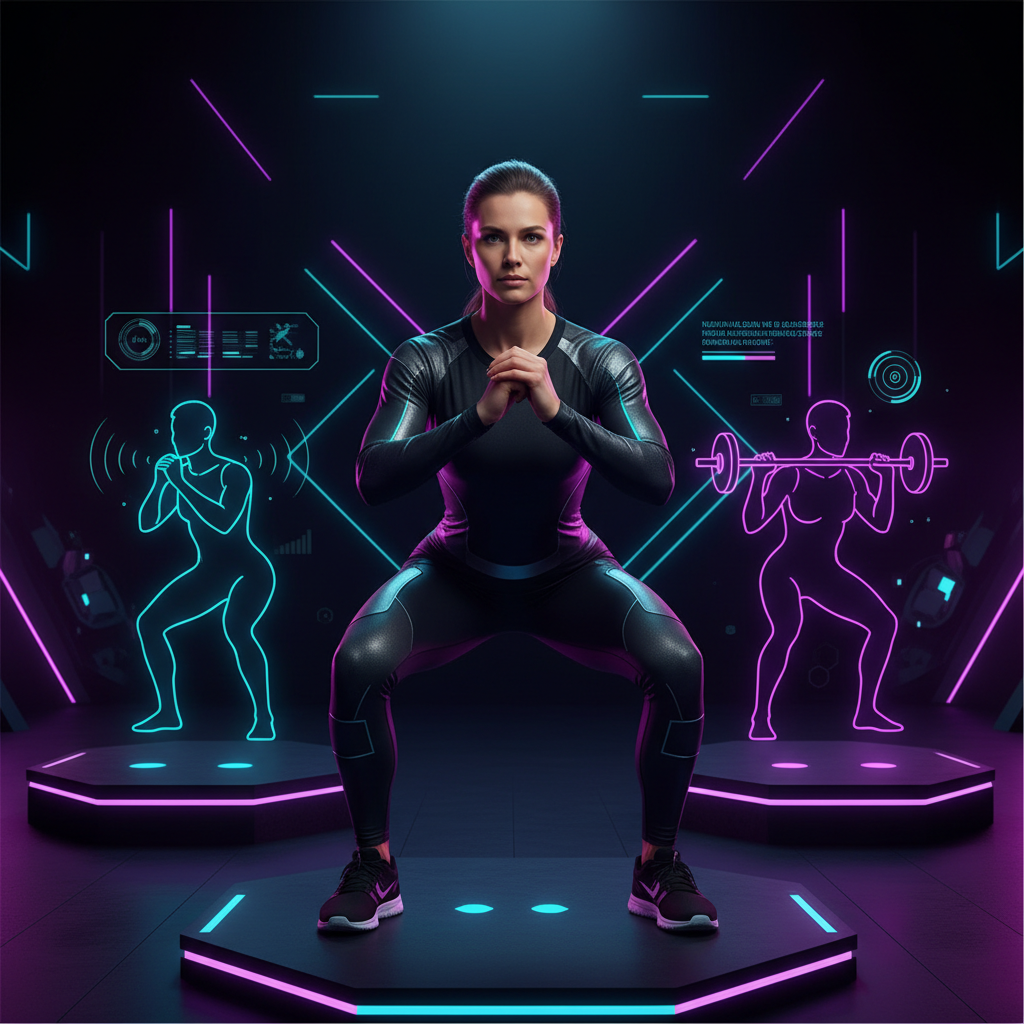
Bodyweight Squats vs Weighted Squats: Which is Right for You?
Squats are a fundamental exercise that many individuals include in their fitness routines. Regardless of whether you are a beginner or an experienced gym-goer, squats can significantly enhance your strength, flexibility, and overall fitness. This article will delve into the differences between bodyweight squats and weighted squats, discussing their unique benefits and effective incorporation into your workout regimen.
Understanding Bodyweight Squats
Bodyweight squats are a versatile, equipment-free exercise that can be performed anywhere. They are particularly ideal for home workouts and primarily target the quadriceps, hamstrings, and glutes while engaging the core. With the rising popularity of functional fitness, bodyweight squats have become a staple in many workout plans.
Benefits of Bodyweight Squats
• No Equipment Needed: Easily performed at home or in any space you choose.
• Improves Mobility: Enhances flexibility in the hips, knees, and ankles.
• Great for Beginners: Allows focus on form and technique without the pressure of added weight.
• Increases Functional Strength: Improves your ability to perform daily tasks.
The Basics of Weighted Squats
Weighted squats involve adding resistance, often through dumbbells, kettlebells, or barbells. This additional weight increases the intensity of the exercise and promotes muscle strength and growth. Weighted squats challenge your muscles in new ways, making them essential for those looking to enhance their strength training routine.
Benefits of Weighted Squats
• Increased Strength Development: Encourages greater muscle hypertrophy and strength gains.
• Enhanced Caloric Burn: More muscle engagement leads to higher caloric expenditure during and after the workout.
• Variety of Equipment: Allows different weights and tools to keep workouts fresh and engaging.
• Challenges Stability: Improves balance and coordination due to the added complexity.
Comparing Bodyweight and Weighted Squats
When choosing between bodyweight squats and weighted squats, consider your fitness level, goals, and workout environment. Both forms of squatting have their advantages, making them suitable for various training methods.
For Beginners
If you're just starting your fitness journey, bodyweight squats are an excellent way to learn proper form without the risk of injury from added weight. Concentrate on mastering your technique before progressing to weighted squats, allowing your body to adapt naturally. Using a mirror or recording yourself can help you identify areas for improvement.
For Intermediate to Advanced Lifters
For those who have established a solid foundation in fitness, incorporating weighted squats into your routine can yield significant benefits. Aim to progressively overload by increasing weights or adjusting reps and sets in your workouts. This will keep your muscles challenged and promote growth over time.
Goal-Oriented Approach
Your health and fitness goals should play a crucial role in your choice:
• Muscle Building: Prioritize weighted squats to stimulate muscle growth.
• Weight Loss: Both variations can assist in fat loss; however, adding weights can slightly increase caloric expenditure during workouts.
• Improving Endurance: If endurance is your goal, bodyweight squats can be executed in higher repetitions to build stamina.
Creating a Balanced Workout Routine
Incorporating both bodyweight and weighted squats into a balanced routine can yield comprehensive benefits. Here's a sample weekly workout plan focused on squats:
• Day 1: Bodyweight This lower-body move 3 sets of 15 reps
• Day 2: Weighted The movement 3 sets of 8-10 reps
• Day 3: Bodyweight Squat Variations (sumo leg training, jump this lower-body move) 3 sets of 12 reps
• Day 4: Recovery Day or Core Workout
• Day 5: Weighted The movement 3 sets of 6-8 reps
Using Technology for Consistency
To maintain consistency in your workouts, consider using technology to track your progress. Apps like Workout 4 Cash can motivate you to stay on track by rewarding your effort. By monitoring both bodyweight and weighted leg training, you can effectively track your improvements over time, enhancing your commitment to fitness. Keeping a record of your workouts can be incredibly motivating as you see growth and progress.
Cautions and Considerations
While this lower-body move are a highly effective exercise, it is essential to listen to your body and respect your limits. Incorrect form, especially with weighted the movement, can lead to injury. Ensure that you warm up properly before workouts, and consider consulting a fitness professional if you are unsure about your form. Knowing when to rest or modify your workouts is also crucial for long-term success.
Form Tips for Leg training
• Feet Placement: Begin with feet shoulder-width apart.
• Chest Up: Keep your chest up and back straight throughout the movement.
• Knees Over Toes: Ensure that knees track over your toes but do not extend beyond them.
• Depth Control: Lower yourself until your thighs are parallel to the ground or as low as your mobility allows.
Conclusion
Both bodyweight and weighted this lower-body move possess their unique benefits, making each option valuable depending on your fitness level, goals, and environment. Consistency remains key in any workout plan. Implementing strategies, tips, and technological aids like the Workout 4 Cash app can greatly assist in maintaining a reliable workout regimen. For further tips on building exercise habits, refer to our articles on how to build a workout habit and how to stay consistent with exercise. With the right approach and mindset, you can achieve your fitness goals one rep at a time!How to Use This Advice in Real Life
The best squat routine is the one you can repeat with good form. If you are new, start with a number that feels almost too easy, then build from there. A simple target is two or three short sessions per week, with rest days when your legs feel heavy or your form starts to slip.
Think of the movement as part of a bigger fitness habit, not a single magic move. Walking, core training, mobility, sleep, and nutrition all influence your results. If your goal is weight loss, pair your squat plan with daily movement and a realistic eating routine. If your goal is strength, focus on controlled reps, progressive overload, and recovery.
A Simple Weekly Squat Plan
• Day 1: Practice slow bodyweight leg training and stop before form breaks.
• Day 2: Walk, stretch, or do light mobility work.
• Day 3: Add one extra set or a slightly harder variation.
• Day 4: Rest or choose an easy activity that keeps you moving.
• Day 5: Repeat your best squat session of the week with clean form.
You can also use Workout 4 Cash challenges to stay consistent and make the habit feel more rewarding. The goal is not to punish yourself with endless reps. The goal is to show up, improve gradually, and make exercise easier to repeat.
Final Takeaway
Bodyweight This lower-body move vs Weighted The movement is a useful question because it shows you are thinking about a clear action step. Use the answer as a starting point, then adjust based on your body, your schedule, and your goals. Leg training work best when they are done with patience, control, and consistency.
How to Make This lower-body move Part of a Real Fitness Routine
The movement are most effective when they are treated as one part of a complete routine instead of a quick shortcut. They can build lower body strength, improve coordination, support daily movement, and make workouts feel more productive, but results still depend on consistency, recovery, nutrition, and total activity. A beginner does not need hundreds of reps to make progress. A realistic plan with clean form is usually better than a huge number of rushed repetitions.
If you are starting from scratch, choose a simple target you can repeat three or four times per week. For example, you might begin with two sets of eight to twelve bodyweight leg training, then slowly add reps as your form improves. If your knees cave inward, your heels lift, or your lower back rounds, lower the number and focus on control. Quality matters more than volume because better form lets you train longer without unnecessary discomfort.
A Beginner Friendly Squat Progression
• Week 1: Practice bodyweight this lower-body move with a comfortable range of motion and steady breathing.
• Week 2: Add one extra set or a few more reps if your form still feels strong.
• Week 3: Try tempo the movement by lowering slowly for three seconds before standing up.
• Week 4: Add a pause at the bottom or hold a light weight if bodyweight leg training feel easy.
This gradual approach works because it gives your muscles, joints, and habits time to adapt. It also makes it easier to stay consistent. If you want more motivation, use Workout 4 Cash challenges to turn workouts into a repeatable routine, or download the app to start tracking your progress. You can also explore fitness rewards if external motivation helps you show up on days when discipline feels low.
Common Signs You Are on the Right Track
• Your squat depth improves without forcing the movement.
• Your legs feel stronger during stairs, walks, and everyday activity.
• You recover faster between sessions.
• You can add reps or sets without losing control.
• You feel more confident starting workouts.
For better long term results, pair this lower-body move with walking, core work, mobility, and rest days. If weight loss is your goal, read weight loss motivation tips and how walking rewards can support consistency. If habit building is the harder part, the guides on building a workout habit and staying consistent with exercise are useful next reads.
Final Practical Takeaway
Bodyweight The movement vs Weighted Leg training is a smart question because it focuses on action. The best answer is not only about reps, calories, fat loss, or muscle growth. It is about choosing a squat routine that fits your current level, practicing it with patience, and improving little by little. When this lower-body move become part of a routine you can repeat, they become much more valuable than a one time workout challenge.