Are Squats Better Than Running?

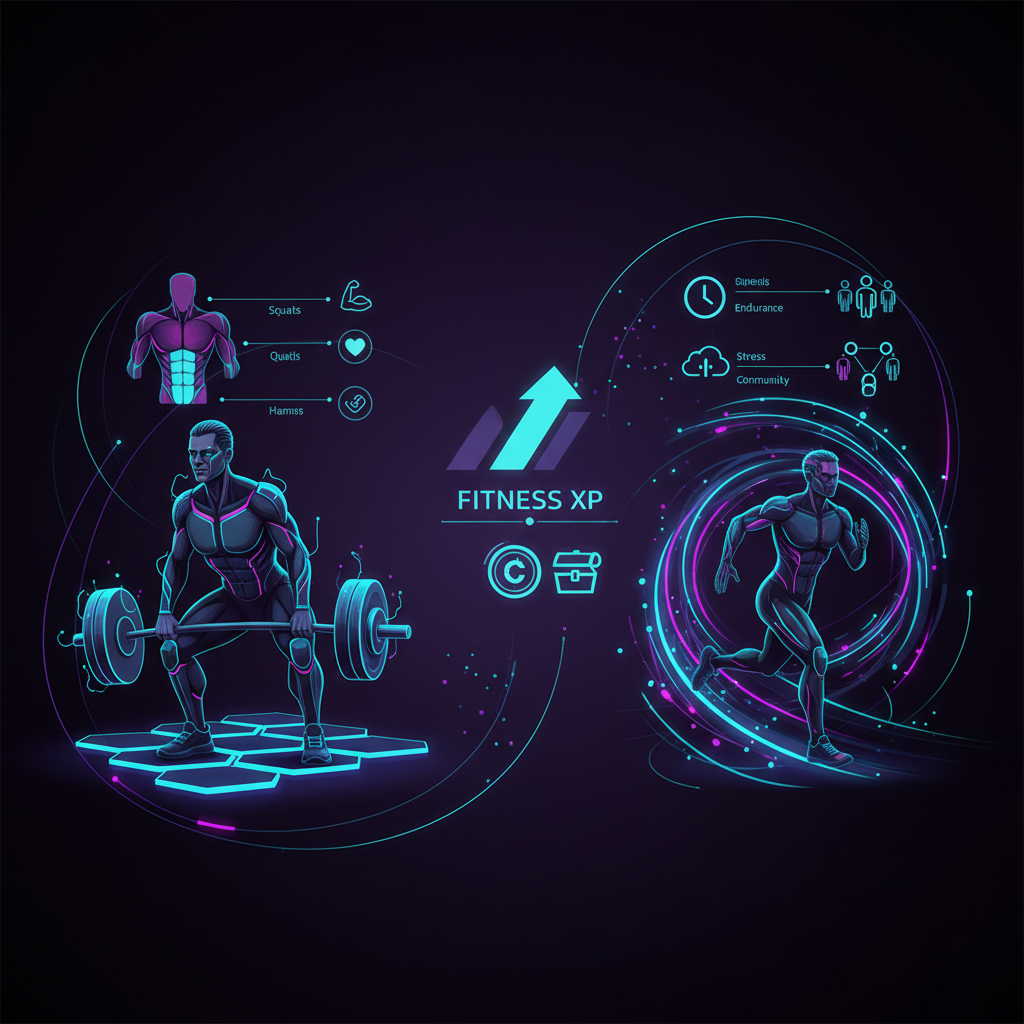
Are Squats Better Than Running?
When embarking on a fitness journey, many individuals find themselves pondering the best exercises to align with their goals. Two popular choices are squats and running. Each comes with its distinctive advantages and may appeal to different people based on their fitness aspirations and personal preferences. In this article, we will explore and compare squats and running, revealing their unique benefits and helping you decide which is right for your workout regimen.
Understanding the Basics
Before diving into a detailed comparison, let's first clarify what each exercise involves.
• Squats: A foundational lower body exercise that targets your quadriceps, hamstrings, and glutes. Squats can be done almost anywhere and can vary widely in style, including bodyweight squats, goblet squats, and barbell squats.
• Running: An aerobic exercise that enhances cardiovascular health while engaging multiple muscle groups. Running can be done outdoors or indoors on a treadmill and varies from jogging to sprinting.
Squats provide a broad range of benefits:
• Strength Building: Squats are exceptional for developing lower body strength. They enhance muscle endurance, proving beneficial for daily activities like climbing stairs or lifting heavy objects.
• Improved Mobility: Regular squatting can boost overall mobility and flexibility in your hips and ankles, improving your general movement quality.
• No Equipment Needed: Squats require little to no equipment, making them a versatile workout option. You can easily incorporate them into home workouts or even during a quick break at work.
• Caloric Burn: While squats aren't primarily a cardio workout, they can still contribute to your caloric burn, especially when performed in higher repetitions or incorporated into circuit training.
Benefits of Running
Running, on the other hand, has distinct advantages:
• Cardiovascular Health: Running significantly enhances cardiovascular fitness, contributing to better heart health and improved endurance.
• Weight Loss: For many, running is the go-to choice for weight loss. It tends to burn more calories in a shorter amount of time compared to a strength workout like squats.
• Stress Relief: Numerous runners report positive effects on their mental health, with running helping to alleviate stress and anxiety through the release of endorphins.
• Community and Social Opportunities: Running often fosters a sense of community. Many people enjoy joining running clubs or participating in local races, providing not only motivation but also social interaction.
Which is Better for You?
So, which exercise reigns supreme? The answer largely depends on your fitness goals and personal preferences. Here are a few considerations to guide your decision:
• Goal-Oriented: If building leg strength, enhancing mobility, and improving overall muscle tone is your main objective, squats may be more advantageous for you.
• Cardio Focus: If your primary aim is to increase cardiovascular fitness and shed pounds, running could be the better choice to include in your routine.
• Preference: Enjoyment is key when it comes to exercise consistency. Pick the activity that excites you, as it will keep you coming back for more.
A Balanced Approach
Rather than choosing between squats and running, consider incorporating both into your fitness regimen. A comprehensive workout plan might include:
• Squats for enhancing lower body strength and muscle endurance.
• Running for improving cardiovascular health and calorie burning.
• Flexibility and mobility exercises to complement your routine and optimize performance.
Utilizing both exercises can lead to a well-rounded fitness program that improves overall strength, endurance, and enjoyment, making your workouts exciting and diverse.
Staying Consistent with Your Workouts
No matter which activities you choose, maintaining consistency is crucial for reaching your fitness goals. Here are some practical tips to help you stick to your workout routine:
• Set Realistic Goals: Consider creating specific, measurable, attainable, relevant, and time-bound (SMART) goals to clarify your progress.
• Create a Schedule: Block out designated times for your workouts, treating them just like any other important appointment.
• Join a Community: Engaging with others can provide essential motivation. Consider using a fitness rewards app like Workout 4 Cash, which incentivizes you for maintaining your fitness journey.
• Track Your Progress: Whether it's a journal or a fitness app, keeping tabs on your improvements can boost your motivation significantly.
Why Choose Workout 4 Cash?
Using an app like Workout 4 Cash can add a fun and rewarding aspect to your fitness adventure. Here's what makes it beneficial:
• Earn cash rewards as you achieve specific workout milestones.
• Stay accountable while building a consistent workout habit through achievable rewards.
• Access a community of tips and new exercise ideas to keep your routine fresh and enjoyable.
Conclusion
Ultimately, both squats and running have unique benefits, and it's not about which is better, but rather which aligns best with your fitness goals and preferences. Incorporating elements of both into your routine can lead to a balanced lifestyle that promotes strength, endurance, and overall well-being. Remember, the path to success in your fitness journey lies in being consistent. For additional motivation along the way, visit Workout 4 Cash to discover how you can reward yourself as you achieve your health and fitness goals.
How to Use This Advice in Real Life
The best squat routine is the one you can repeat with good form. If you are new, start with a number that feels almost too easy, then build from there. A simple target is two or three short sessions per week, with rest days when your legs feel heavy or your form starts to slip.
Think of squats as part of a bigger fitness habit, not a single magic move. Walking, core training, mobility, sleep, and nutrition all influence your results. If your goal is weight loss, pair your squat plan with daily movement and a realistic eating routine. If your goal is strength, focus on controlled reps, progressive overload, and recovery.
A Simple Weekly Squat Plan
• Day 1: Practice slow bodyweight squats and stop before form breaks.
• Day 2: Walk, stretch, or do light mobility work.
• Day 3: Add one extra set or a slightly harder variation.
• Day 4: Rest or choose an easy activity that keeps you moving.
• Day 5: Repeat your best squat session of the week with clean form.
You can also use Workout 4 Cash challenges to stay consistent and make the habit feel more rewarding. The goal is not to punish yourself with endless reps. The goal is to show up, improve gradually, and make exercise easier to repeat.
Final Takeaway
Are Squats Better Than Running? is a useful question because it shows you are thinking about a clear action step. Use the answer as a starting point, then adjust based on your body, your schedule, and your goals. Squats work best when they are done with patience, control, and consistency.
How to Make Squats Part of a Real Fitness Routine
Squats are most effective when they are treated as one part of a complete routine instead of a quick shortcut. They can build lower body strength, improve coordination, support daily movement, and make workouts feel more productive, but results still depend on consistency, recovery, nutrition, and total activity. A beginner does not need hundreds of reps to make progress. A realistic plan with clean form is usually better than a huge number of rushed repetitions.
If you are starting from scratch, choose a simple target you can repeat three or four times per week. For example, you might begin with two sets of eight to twelve bodyweight squats, then slowly add reps as your form improves. If your knees cave inward, your heels lift, or your lower back rounds, lower the number and focus on control. Quality matters more than volume because better form lets you train longer without unnecessary discomfort.
A Beginner Friendly Squat Progression
• Week 1: Practice bodyweight squats with a comfortable range of motion and steady breathing.
• Week 2: Add one extra set or a few more reps if your form still feels strong.
• Week 3: Try tempo squats by lowering slowly for three seconds before standing up.
• Week 4: Add a pause at the bottom or hold a light weight if bodyweight squats feel easy.
This gradual approach works because it gives your muscles, joints, and habits time to adapt. It also makes it easier to stay consistent. If you want more motivation, use Workout 4 Cash challenges to turn workouts into a repeatable routine, or download the app to start tracking your progress. You can also explore fitness rewards if external motivation helps you show up on days when discipline feels low.
Common Signs You Are on the Right Track
• Your squat depth improves without forcing the movement.
• Your legs feel stronger during stairs, walks, and everyday activity.
• You recover faster between sessions.
• You can add reps or sets without losing control.
• You feel more confident starting workouts.
For better long term results, pair squats with walking, core work, mobility, and rest days. If weight loss is your goal, read weight loss motivation tips and how walking rewards can support consistency. If habit building is the harder part, the guides on building a workout habit and staying consistent with exercise are useful next reads.
Final Practical Takeaway
Are Squats Better Than Running? is a smart question because it focuses on action. The best answer is not only about reps, calories, fat loss, or muscle growth. It is about choosing a squat routine that fits your current level, practicing it with patience, and improving little by little. When squats become part of a routine you can repeat, they become much more valuable than a one time workout challenge.