Why Your Brain Loves Instant Rewards

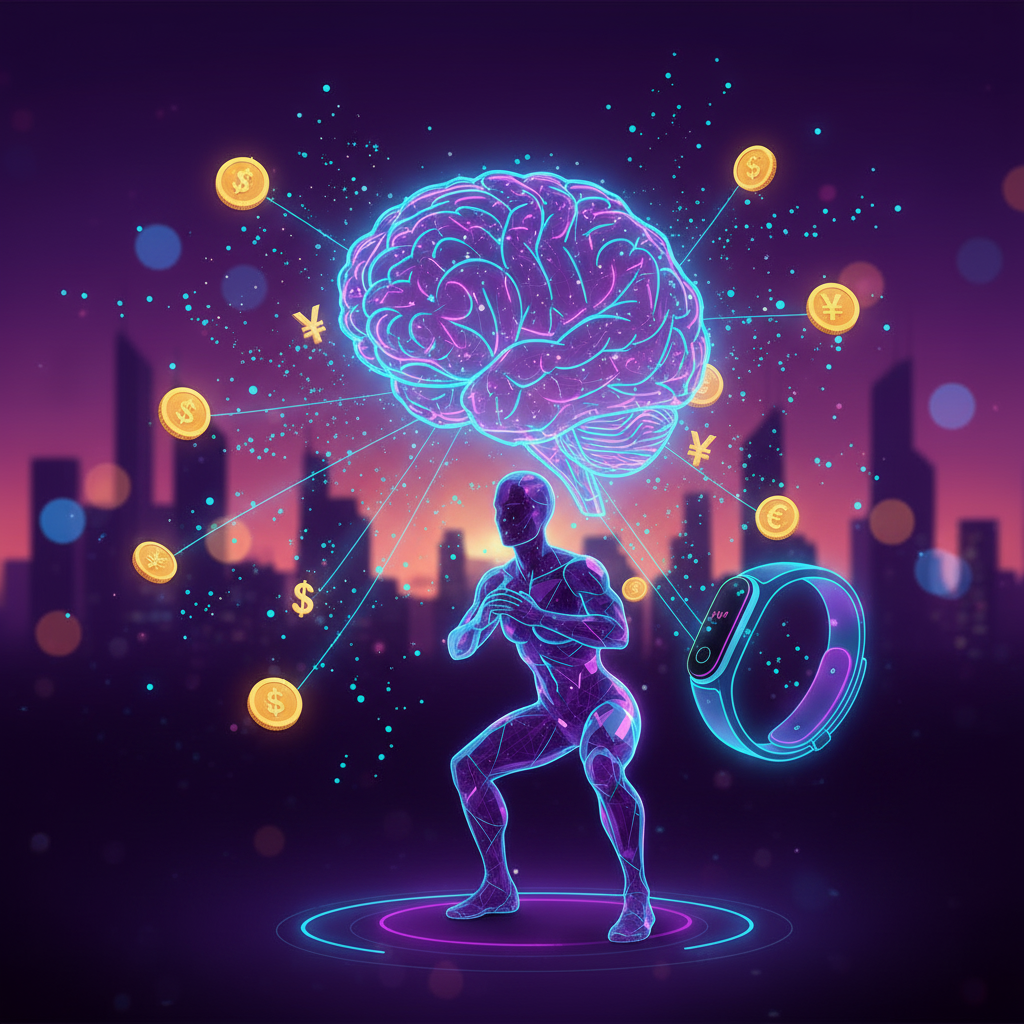
Your brain loves instant rewards because they make effort feel worth repeating. This is not a weakness. It is how behavior works. When an action leads to a quick signal of progress, satisfaction, or recognition, the brain is more likely to remember that action and choose it again.
Fitness is difficult because many of its best rewards are delayed. You may need weeks or months to see major changes in strength, weight, endurance, or confidence. That delay creates a gap between effort and payoff.
Instant rewards help close that gap.
Dopamine is about learning
People often talk about dopamine as a pleasure chemical, but it is also connected to learning, anticipation, and motivation. When your brain expects a reward, it pays attention. It remembers what action led to that reward.
This is why games, streaks, points, and challenges can be so engaging. They provide feedback quickly. The brain understands that the action mattered.
Fitness needs faster feedback
A workout is good for you immediately, but the biggest benefits are not always obvious right away. Your heart, muscles, metabolism, and mood may improve slowly. If someone is only looking for visible results, they may quit before the benefits become clear.
A fitness rewards app gives effort a more immediate signal. Complete the activity. See progress. Keep the challenge alive. Earn toward something. That feedback makes the habit easier to repeat.
Rewards create a behavior bridge
Rewards are not the whole reason to exercise. Health, confidence, energy, and longevity matter more. But rewards can help bridge the early phase when those deeper benefits are still developing.
Think of rewards as training wheels for consistency. They help you keep moving long enough for the habit to become part of your identity.
Your brain repeats what feels valuable
If a behavior feels painful, boring, and unrewarding, your brain will look for ways to avoid it. If a behavior feels challenging but meaningful, your brain has a reason to return.
That is why tracking and rewards matter. They make invisible effort visible. They turn a workout from “something I forced myself to do” into “something that moved me forward.”
Instant does not mean shallow
Some people think rewards make fitness less serious. The opposite can be true. A small immediate reward can support a long-term goal. It can help people stay consistent when the bigger payoff is still far away.
The key is to connect rewards to real effort. Reward the behavior you want repeated: walking, workouts, consistency, and challenge completion.
Avoid chasing rewards without building habits
Instant rewards work best when they support a meaningful routine. If someone only cares about the reward and ignores the habit, the system becomes weak. The goal is not to avoid effort. The goal is to make effort easier to choose.
Workout 4 Cash is designed around that balance. Rewards are a tool, but you still have to show up.
Use reward psychology on purpose
You can apply this in simple ways. Track your daily steps. Celebrate completed workouts. Join fitness challenges. Use a streak. Share progress with a friend. Make the next healthy action feel rewarding now, not only someday.
Your brain is not working against you. It is responding to feedback. Give it better feedback, and consistency becomes easier.
How to Put This Into Practice
Why Your Brain Loves Instant Rewards is strongest when it is understood as part of a bigger habit system. Rewards can create momentum, but the long-term benefit comes from connecting the reward to a repeatable behavior. When the action is clear, the progress is visible, and the payoff is meaningful, users are more likely to return the next day.
Why This Matters for Long-Term Progress
Inside Workout 4 Cash, the best approach is to let the reward support the behavior instead of replacing it. A user can set a realistic activity target, watch progress build, and use the reward system as reinforcement. This makes brain loves instant rewards feel more concrete because every completed action becomes part of a visible record.
The most important takeaway is to make the next action obvious. Choose one manageable target, complete it today, and repeat it tomorrow. Over time, those simple repetitions can become the foundation for stronger health, better confidence, and a more sustainable relationship with exercise.