Why Gen Z Is Approaching Fitness Differently

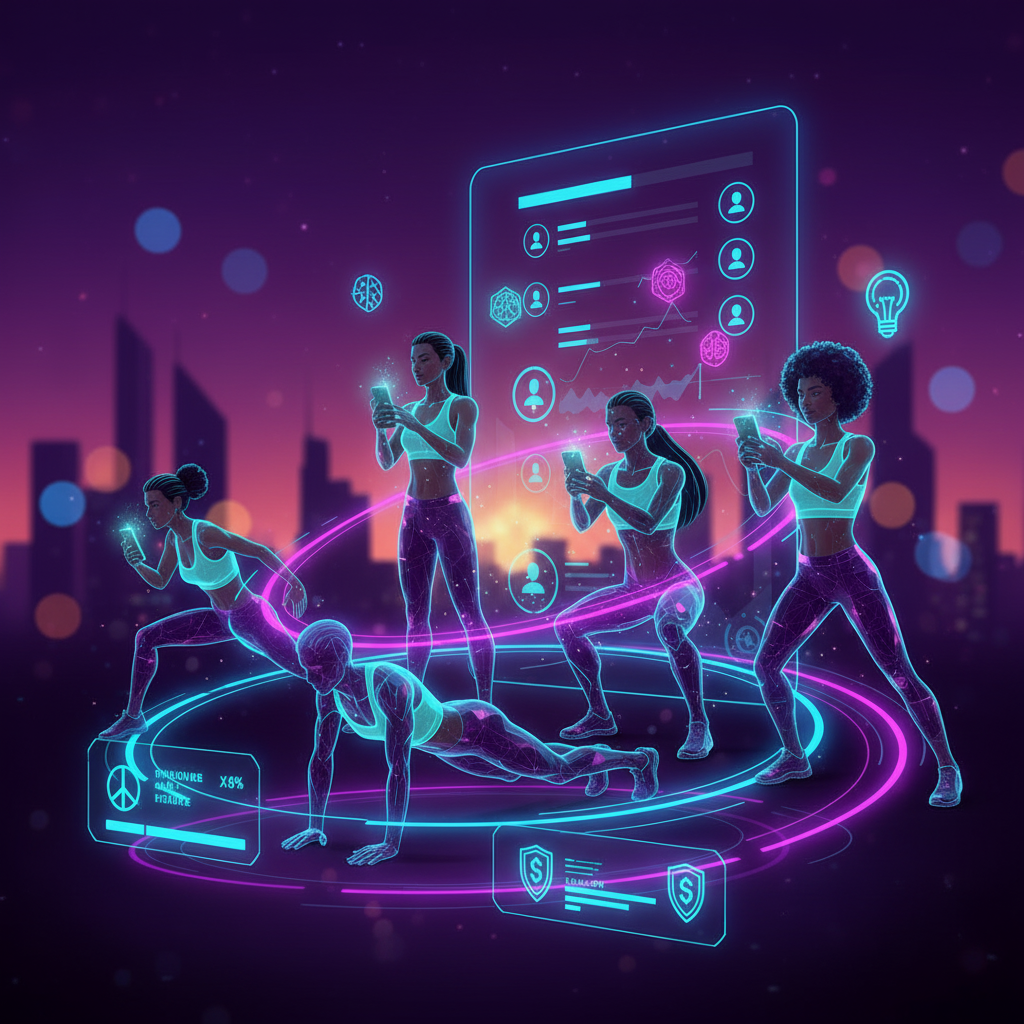
Gen Z is approaching fitness differently than previous generations. For many younger people, fitness is not only about looking a certain way. It is connected to mental health, community, technology, identity, and the desire for experiences that feel engaging.
This shift is changing what fitness platforms need to offer.
Fitness is tied to mental health
Gen Z talks more openly about stress, anxiety, burnout, and emotional wellness. Exercise is often viewed as a tool for feeling better mentally, not just physically. A walk, workout, or challenge can become part of a larger self-care routine.
This does not mean appearance goals have disappeared. It means the reasons for moving are broader.
Community matters
Many people do not want fitness to feel lonely. They want shared challenges, social progress, encouragement, and friendly competition. Community makes the habit feel more alive.
Fitness challenges can create that connection. A leaderboard race or group goal gives people a reason to participate beyond personal discipline.
Technology is expected
Gen Z grew up with apps, feedback, notifications, and personalized digital experiences. They expect fitness tools to be easy to use, visual, and interactive. A simple paper plan may not be enough to keep attention.
A fitness rewards app fits this mindset because it turns activity into trackable progress. Workout 4 Cash connects movement with challenges, rewards, and a digital experience that feels more engaging than a basic workout checklist.
Gamification feels natural
Games, streaks, badges, achievements, and rewards are familiar. Gen Z understands progress systems because they are everywhere in digital life. When fitness uses similar tools, it can feel more motivating.
Gamification does not make exercise fake. It makes effort easier to return to by adding feedback and purpose.
Accountability is changing
Accountability used to mean a coach, class, or gym partner. Those still matter, but digital accountability is growing. Apps, streaks, challenges, and social progress can all create pressure to follow through.
This kind of accountability works well because it is immediate and visible.
Flexibility is important
Gen Z often prefers fitness that can fit into real life: home workouts, walking, short sessions, hybrid routines, and flexible challenges. Not everyone wants a traditional gym-first approach.
That flexibility makes fitness more accessible. It also supports consistency because people can choose movement that fits their schedule and comfort level.
Rewards make sense
Younger users are used to platforms where action creates feedback. Rewards can make fitness feel more valuable in the short term while long-term results develop.
Rewards alone do not create health, but they can help people stay motivated long enough to build habits.
A different definition of success
For Gen Z, success may mean feeling better, staying consistent, joining a community, improving confidence, earning rewards, and building a healthier identity. It is not always about one perfect transformation photo.
That broader definition is a good thing. Fitness becomes more sustainable when it supports the whole person.
Gen Z is not making fitness easier by avoiding effort. They are making it more connected, interactive, and personal. That may be exactly what more people need to keep going.
How to Put This Into Practice
Why Gen Z Is Approaching Fitness Differently works best when it becomes practical instead of theoretical. The goal is not to chase a perfect routine; the goal is to create a small action that can survive busy days, low energy, and normal interruptions. That is where long-term progress usually begins.
Why This Matters for Long-Term Progress
With Workout 4 Cash, users can connect approaching fitness differently to tracking, rewards, and friendly competition. That combination gives a small action more weight. It helps users return to the routine, notice progress, and keep going even when the original excitement has faded.
The most important takeaway is to make the next action obvious. Choose one manageable target, complete it today, and repeat it tomorrow. Over time, those simple repetitions can become the foundation for stronger health, better confidence, and a more sustainable relationship with exercise.
A Simple Next Step
For readers who want to apply this today, the best next step is intentionally small: choose one action that can be completed in less than ten minutes, record it, and repeat it tomorrow. This keeps the focus on progress instead of perfection. When that action becomes familiar, it can be expanded into a longer session, a tougher goal, or a new challenge inside Workout 4 Cash.
That kind of gradual approach is easier to maintain because it respects real life. Busy schedules, low-energy days, and missed sessions do not have to end the process. The goal is to return quickly, keep the pattern alive, and let each completed action become evidence that consistency is possible.