
Can Marijuana Make You a Better Athlete?

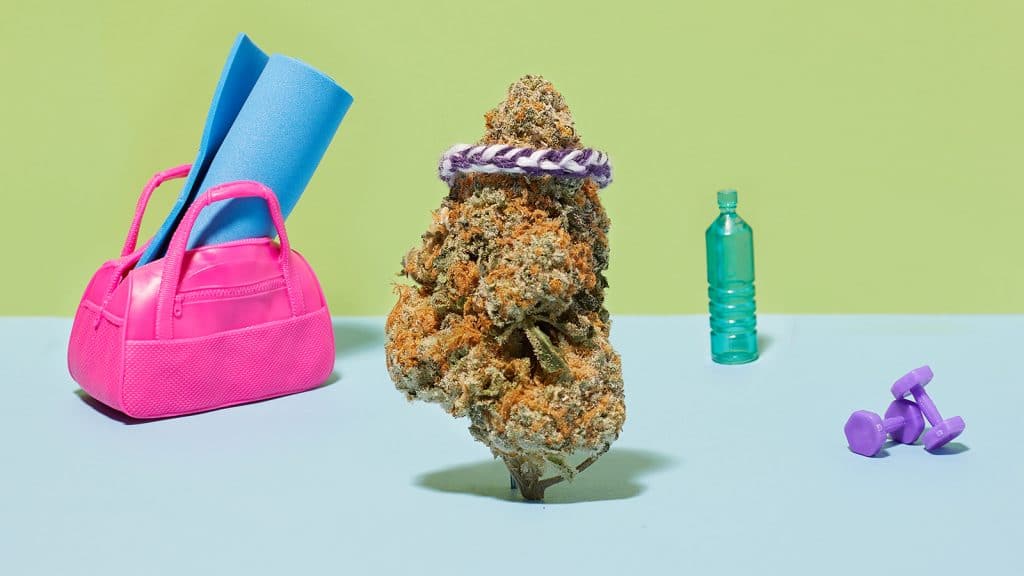
Can Marijuana Make You a Better Athlete?
When Sha’Carri Richardson was denied a spot in the Tokyo Olympics after testing positive for marijuana, it reignited a debate about the use of cannabis in sports. Does it actually help?
Josiah Hesse, a Colorado-based journalist, never considered exercising until he reached his 30s. Until then, physical activity was never part of his routine. However, motivated by health concerns, he decided to give it a try. His initial experiences, however, were far from enjoyable.
“When I first started running, I couldn’t run a single block,” Hesse recalls. “It hurt, and my lungs burned.” Frustration and discomfort characterized his early attempts.
Everything changed when he experimented with a cannabis-infused edible before heading out for a run. Unexpectedly, what had been an excruciating workout transformed into a euphoric experience.
“I felt like I weighed 50 pounds,” he says with a smile. “Running up a hill became an easy, playful experience. With the right soundtrack, it was so much fun. It became the highlight of my day.”
This personal revelation prompted Hesse to explore a broader phenomenon: a burgeoning, often overlooked subculture of athletes who incorporate cannabis into their routines. His upcoming book, *Runner’s High*, scheduled for release in September, delves into this “hidden culture” of recreational and elite athletes who use cannabis during workouts.
In his research, Hesse interviewed bodybuilders and endurance athletes who rely on cannabis to stimulate their appetites—crucial for those needing to maintain weight. Others use it to assist recovery, reduce pain, and impro improve sleep quality. Yet, the most common benefit athletes report is a reduction in anxiety and a sense of calm.
“What I heard repeatedly from athletes using cannabis is the phrase ‘dialed in,’” Hesse explains. “They describe a state of hyper-focus, where worries about their performance, injuries, or external pressures melt away. It’s a way to get into a mental zone where they can perform at their best.”
The conversation around cannabis and athletic performance gained renewed attention recently when U.S. sprinter Sha’Carri Richardson was barred from competing in the Tokyo Olympics after testing positive for marijuana. Her case reignited debates about cannabis’s role in sports and whether it should be viewed as a performance enhancer or a tool for mental well-being.
Beyond the world of elite athletics, a broader question emerges: Does combining exercise and cannabis hold any value for the average person?
While scientific research is still developing, many recreational users report benefits such as enhanced focus, reduced anxiety, and a more enjoyable workout experience. For some, it’s a way to make exercise feel less like a chore and more like a pleasurable activity.
As attitudes toward cannabis continue to evolve, understanding its nuanced role in physical activity may reshape how we think about fitness, recovery, and mental health. Whether as a performance aid or a relaxation tool, cannabis’s place in the exercise world is an intriguing development worth watching.
Cannabis and Athletic Performance: Separating Fact from Fiction
Despite its popularity among some fitness enthusiasts, cannabis does not confer any performance-enhancing benefits for athletes. The World Anti-Doping Agency (WADA) prohibits the use of marijuana in competitive sports, largely due to concerns about its potential effects on athletes’ health and fairness. However, scientific research consistently indicates that cannabis does not increase strength, speed, or endurance, and may even impair athletic performance.
Historical and contemporary studies have explored how cannabis influences physical activity. Early investigations involving healthy volunteers who smoked marijuana before exercising revealed increased heart rates and blood pressure, along with a notable decline in physical performance. Subsequent research, often limited in scope or conducted on animals, has generally failed to demonstrate any improvements in strength or stamina from cannabis use. In fact, the consensus among exercise physiologists is that marijuana either has no effect or potentially hampers athletic capabilities.
Dr. Michael J. Joyner, an esteemed exercise physiologist at the Mayo Clinic, emphasizes this point: “When evaluating physical performance tests, the data either show no benefit or indicate that marijuana can diminish performance.” While some speculate about minor advantages in specific sports—such as archery, where steadiness is paramount—there’s no conclusive evidence that cannabis provides a tangible edge.
The rationale behind banning cannabinoids in sports largely stems from a lack of credible data supporting any performance benefits coupled with concerns about health risks. Cannabis’s legal status has historically hampered rigorous scientific inquiry, leaving many questions unanswered. Nonetheless, existing evidence suggests that cannabis does not enhance athletic ability and may, in fact, impede it.
Beyond its questionable performance effects, cannabis poses several health concerns, especially for athletes who smoke it. The American Lung Association warns that marijuana smoke contains many of the same toxins and carcinogens as tobacco smoke. Deep inhalation and breath-holding, common among users, can increase tar exposure, leading to chronic bronchitis and a compromised immune system. Long-term use may also heighten vulnerability to lung infections.
Moreover, mental health risks are associated with early or heavy cannabis use. Studies indicate that initiating use during adolescence or young adulthood can increase the likelihood of experimenting with harder substances and may elevate the risk of developing psychoses such as schizophrenia. Genetic predispositions may further influence individual susceptibility.
Cognitive effects are also a concern. Research shows that cannabis can impair reaction times and decision-making—critical faculties for athletes engaged in high-risk activities or those operating vehicles or machinery post-use. Such impairments could lead to accidents or injuries, undermining safety and performance.
Despite these risks and the lack of evidence supporting performance enhancement, some athletes continue to use cannabis during their workouts. Anecdotal reports and surveys reveal a complex picture. For example, a 2019 study published in *PLOS One* found that over a quarter of surveyed athletes—mainly runners, cyclists, and triathletes—used cannabis, often citing pain relief, improved sleep, or relaxation as primary benefits. Many reported that cannabis increased their enjoyment of exercise and aided recovery.
Similarly, a survey led by Professor Angela Bryan of the University of Colorado Boulder found that about half of regular cannabis users felt motivated to exercise while under the influence. A significant majority reported that marijuana enhanced their workout experience and recovery process. These subjective accounts are intriguing but must be interpreted with caution. Placebo effects and individual variability mean that perceived benefits do not necessarily translate into actual performance gains.
Research into the physiological effects of cannabis on exercise remains limited, primarily due to its Schedule 1 classification, which restricts scientific experimentation. Dr. Bryan’s team has innovated around this obstacle by using mobile labs to analyze blood samples from cannabis users in their natural environments. This approach allows for real-time assessment of how THC and CBD levels influence factors such as pain perception, mood, and perceived exertion during exercise.
Preliminary findings suggest that cannabis may alter subjective experiences—such as making time feel like it passes more quickly or reducing pain—without clear evidence of improving physical performance metrics. These insights highlight the complex relationship between cannabis and exercise, emphasizing the need for more rigorous, controlled studies.
In summary, while many athletes and fitness enthusiasts believe cannabis enhances their workouts, scientific evidence does not support this claim. The drug neither boosts physical capabilities nor improves endurance. Instead, it carries potential health risks and cognitive impairments that could jeopardize safety and long-term well-being. As research continues, it remains important for athletes to approach cannabis with caution and awareness of its limitations and possible adverse effects.